Futsal is the official version of small-sided football under the governance of FIFA, AFC, FA and NNSWF. The name comes from the Spanish for indoor football, futbol sala and it originated way back in 1930 in Uruguay during the first World Cup when football fever was high. However, a lack of grass pitches and the heat forced the game inside into gymnasiums.
Some laws of the game were then developed by a teacher, Juan Carlos Ceriani and the game spread throughout South America. Some of the best players in the history of football and futsal started playing the 5-a-side game in Brazil, now recognized as the masters of futsal. Now in countries like Brazil, Spain, Argentina and Portugal, it’s common for a players’ first venture into football being in futsal before choosing their pathway in their teens.
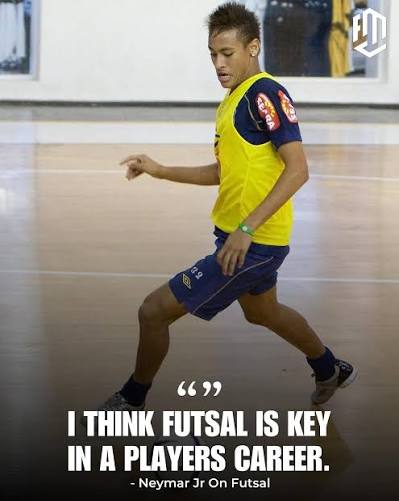
The small space (equivalent to playing 37v37 on a football pitch) is often credited for developing players’ abilities, with big names such as Neymar and Cunha both saying futsal is their favourite sport!
FIFA Futsal World Cup
The first FIFA Futsal World Cup was played in 1989 in the Netherlands, of course, won by Brazil, who have gone on to dominate, winning 7 world titles, including the first ever women’s world cup, held last year in the Philippines.
Australia have competed 7 times in the men’s world cup, the most recent time being in 2016. Both men’s and women’s national teams compete in AFC and AFF tournaments. There are no youth national teams.
There is no National Futsal League in Australia at the moment – though there used to be, someone can fill me in on that! – with Member Federations responsible for running state championships. Football Australia then organize the Mitre FA National Futsal Championships, where the best players from all over the country represent their state at all ages from under-12s to opens.
Each Member Federation, e.g. Northern NSW Football, select players from local futsal competitions and open trials to attend the FA Nationals.
The senior competition is transitioning to a club based tournament, with the champion clubs of each state, plus some state representative sides battle for the Australian title.
In Northern NSW, we have just launched the NNSWF Futsal Championship for 12s to u19s and I am excited to finally see futsal clubs develop and for the game to grow.
Rules
The key differences between football and futsal are the ball, the court, the number of players and a few rules to promote speed fair play, such as a 4 second count on restarts and the 5 foul rule – after 5 fouls, each subsequent foul results in a 10 metre penalty!
There are no restrictions on height (other than the roof!), where a player / goalkeeper can go and the game is played to lines, on a 40m x 20m court, though smaller can be used. A game lasts 20 minutes each half, stop clock, which means the ball is in play for 20 minutes! The time can be adjusted for local competitions.
Referees – there are usually 4 officials. 2 referees, a 3rd official and a timekeeper. However, depending on the level, sometimes just 1 referee is in charge of the game. Fouls are generally the same as football, with red and yellow cards issued in the same way. If a player is sent off though, the team is only down a player for 2 minutes, or until the opponent scores. The dismissed player can’t play again, but the team will be back to 5 players.
Become a futsal referee with NNSWF.
The players and coaches
Usually a team will line up with a goalkeeper, a defender (fixo), 2 wingers and a pivot (target) and teams can use rolling and unlimited substitutions from a squad of 14. Futsal is highly tactical and relies a lot on moving the ball around to find space and one v ones. Being comfortable on the ball is important and futsal puts you constantly in those situations. No wonder, some of the best players started on the court!
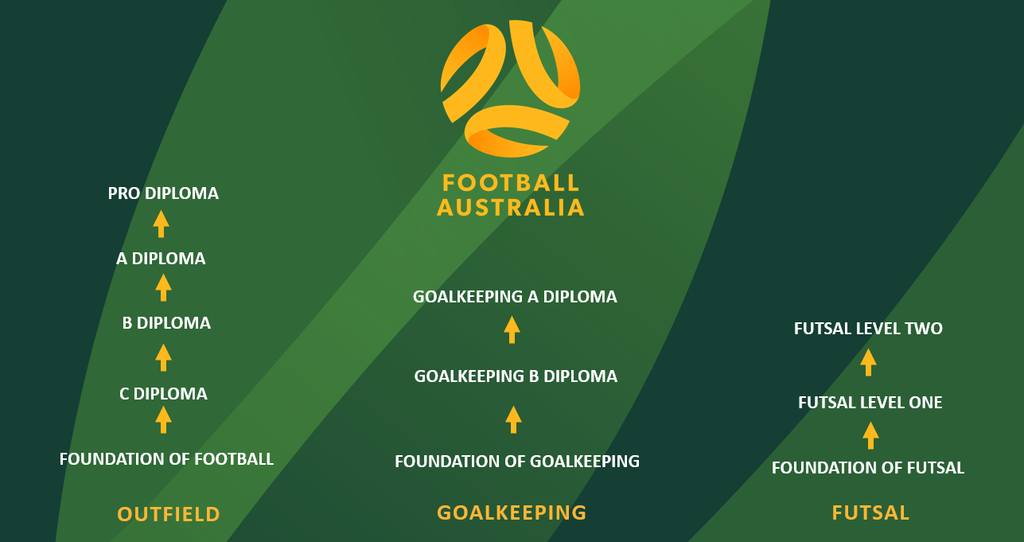
Futsal has dedicated coaching pathways via FA and AFC where you can learn about the individual techniques and tactics required in the 5-a-side game. Coaches would usually choose a formation such as 4-0, 3-1 or 2-2, but the game is so dynamic that playing principles are often more important than a formation. I write a lot about coaching ideas, check out the rest of my blog!
Become a coach with NNSWF.
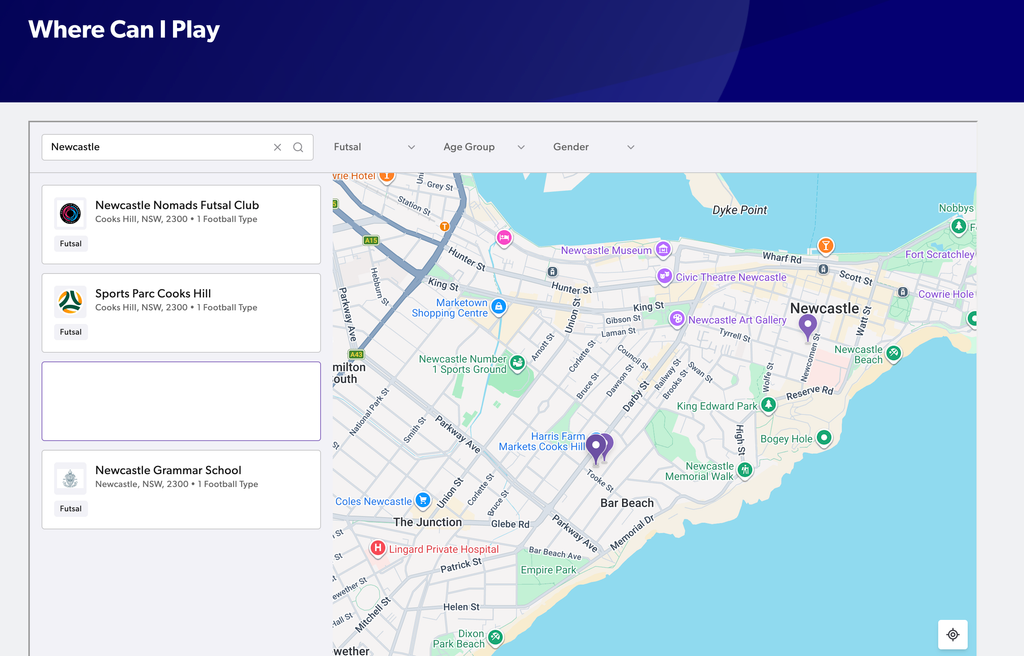
If you want to play futsal, your first step is finding your local club and joining them for training. They will compete in their state’s leagues and tournaments or run social/community competitions. All affiliated futsal clubs and competitions can be found on PlayFootball and selecting “Futsal”.
Much like football, you find a club, contact them and register. There are also lots of social competitions too, but look for FA affiliated centres/clubs to ensure proper governance and standards. These can all be found on PlayFootball or contact your local governing body, such as Northern NSW Football, Football NSW and Football Queensland.
It really is the best place to start and it’s loads of fun. Get in touch if you want to know more or want help in setting up a club! I’ve recently helped Newcastle Nomads get up and running and always supporting the clubs already established. I’d love to see NNSWF grow into a strong futsal hotbed – there’s certainly talent, just need some real structure and opportunities!